


Eat Your Vegetables for Healthy Aging!


Your Mama Was Right! Let’s start with a confession: I have a magnet on my fridge that says, “This salad tastes like I’d rather be fat.” Some days that magnet speaks for me on a spiritual level. I don’t love vegetables. I don’t dream about them. I don’t write poetry about them. But I do believe, deep in my beet-hating soul, that vegetables are vital.
So I eat them. Every day. (Except my birthday. I’m not a monster.) And over time, I’ve learned how to make them not just tolerable, but actually somewhat tasty. Everyone knows vegetables are good for us, and some of y’all are thinking about how you loooove vegetables and you don’t know what’s wrong with this finicky lady. Be that as it may, I’ll bet most of us don’t really understand why they matter so much, especially as we age.
So today, we’re going to discover why veggie life truly exists beyond french fries and ketchup.
What Counts as a Vegetable, Anyway?
Vegetables are edible plants—roots, leaves, stems, flowers, fruits, and seeds. My new goal is to find a vegetable flower and eat it. Here’s a fabulous factoid to get us revved up about veg: Every additional serving of plant food you eat reduces your risk of dying from heart disease or cancer by 5%. Five percent! From a serving! That’s a pretty great return on investment for something that grows in dirt.
Why Vegetables Matter So Much for Healthy Aging
As we age, our bodies get a little persnickety. They don’t absorb nutrients as well, digestion slows down, and inflammation likes to creep in. Vegetables help with all of that and more. Here are the Highlights:
Nutrient Dense: Veggies are packed with vitamins, minerals, and antioxidants. Just imagine all those nutrients with little swords and shields, fighting off the bad toxins and diseases.
Chronic Disease Prevention: Regular veggie eaters have lower risks of heart disease, diabetes, and certain cancers. Spinach and beetroot, for example, can help manage blood pressure and inflammation.
Fiber Superstars: Seniors often don’t get enough fiber, but we need it for: Gut health, Lower cholesterol, Less constipation, Better blood sugar, and Happier hearts. If that list doesn’t make you want to chew on a broccoli floret, I don’t know what will.
Weight Management: Vegetables are low in calories but high in volume. Sooooooo, you can eat a mountain of them and still have room in your calorie budget for dessert. (Like a scrumptious bowl of berries!)
Eye Health: Carrots, sweet potatoes, and other orange veggies contain beta‑carotene, which supports vision and reduces the risk of age‑related eye diseases (It turns into vitamin A in your body).
Anti‑Inflammatory Power: Several vegetables help fight chronic inflammation, which is the sneaky, nasty culprit behind many age‑related conditions.
Brain & Immune Support: Leafy greens are linked to a lower risk of Alzheimer’s and dementia. Vitamin C–rich veggies help keep your immune system humming.
What’s Actually in Vegetables?
Basically, vegetables are tiny edible superheroes. Here’s a quick cheat sheet:
Nutrients | What It Does |
Potassium | Helps maintain healthy blood pressure |
Dietary Fiber | Lowers cholesterol and supports heart health |
Vitamin A | Keeps eyes and skin healthy; reduces infection risk |
Vitamin C | Helps heal wounds, supports gums, boosts iron absorption |
Vitamin K | Helps with blood clotting, bone & heart health and cognitive functioning. |
Folate | Important for cell growth and repair |
Magnesium | Helps with mood, sleep and exercise |
Phytochemicals & Antioxidants | Protects cells from oxidative stress and may reduce chronic disease |
How to (Make Yourself) Eat More Vegetables
Are you convinced yet that veggies are the cat’s meow, the bee’s knees, the bomb dot com? Good, because according to the CDC, only 1 in 10 adults eats enough vegetables. And for seniors, that’s an even bigger problem.
I’m slightly embarrassed to admit that I can feel like a toddler when it comes to vegetables. So, I use every trick in the book to get them into my belly. Here are my favorites:
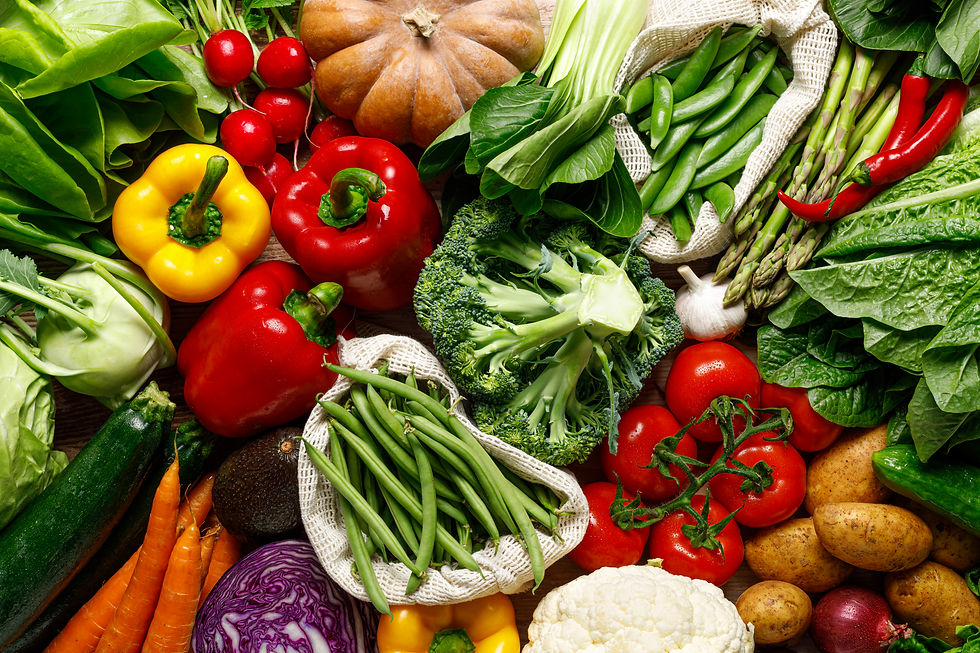
Eat the Rainbow
Colorful foods are more appealing (to toddlers and to me). Plus, different colors of veg = all the different nutrients.
Upgrade Your Salads
No more sad iceberg lettuce. Try:
Spinach
Spring greens
Kale (stems removed because we’re not cows)
Beans (all sorts)
Add seeds, nuts, chopped fruit, grated carrots, radishes, mushrooms, peppers, cucumbers… even a little ham or bacon. Top with vinaigrette. It’s a delicious lunch or dinner that has enough textures to tickle the taste buds.


Season the Yuck Out
Lightly steam veggies and add:
Rosemary or
Basil or
Garlic or
Chives
Nuts for crunch
Roast your potatos: Sweet or regular, dice and toss with olive oil and sea salt, roast until crispy. Delicious. Try roasting other vegetables too.
Sneak Greens into Breakfast
Finely chop spinach or kale and toss into scrambled eggs with a little cheese.
Breakfast Hash (Dave’s Specialty): Peppers, onions, sausage. Tasty. (But I still don’t love how it makes the house smell…)
Smoothies: Dave loves blending frozen fruit with handfuls of kale, spinach, or even carrots. You can hardly taste the green stuff.
Soups & Stews: You can put stealth vegetables of all kinds in these. My tomato basil soup, made with roasted summer tomatoes and leaves from my basil plant is a household favorite. In the winter I use canned tomatoes.
Buy Fresh & In Season: Veggies taste infinitely better when they’re local and ripe, from your garden or the produce stand.

The Bottom Line
However, you do it, get those vegetables in at every meal. They’re the powerful foods that support your heart, brain, gut, eyes, immune system, and overall vitality.
Your mama was right. Eat your vegetables. Your current (and future 100 yr old) self will thank you.
Sources:
Wang X et al; BMJ 2014;349:g4490 doi: 10.1136/bmj.g4490
MyPlate.gov | Vegetable Group – One of the Five Food Groups


Comments