
Why balance matters as we age
Falls are one of the biggest threats to independence as we age. But balance isn’t just about avoiding accidents. It’s about confidence.
Balance training teaches the brain and body to communicate better.
We focus on strengthening the deep muscles that stabilize our spine and joints for:
- Core activation
- Proprioception (body awareness)
- Reaction training
- Postural control
- Controlled movement
We don't care about showing off a six pack. We care about standing straight and strong and catching ourselves before we ever fall.
Download our weekly tracker and use our simple core and balance exercises to build your routine. The resources below can help you test your balance, prevent falls, and find tools that support a stronger, steadier body.
If you’re feeling overwhelmed, start with our Getting Started Guide. It lays out a simple month-long plan using the Five Pillars to help you build healthy habits step by step.
Balance and core resources
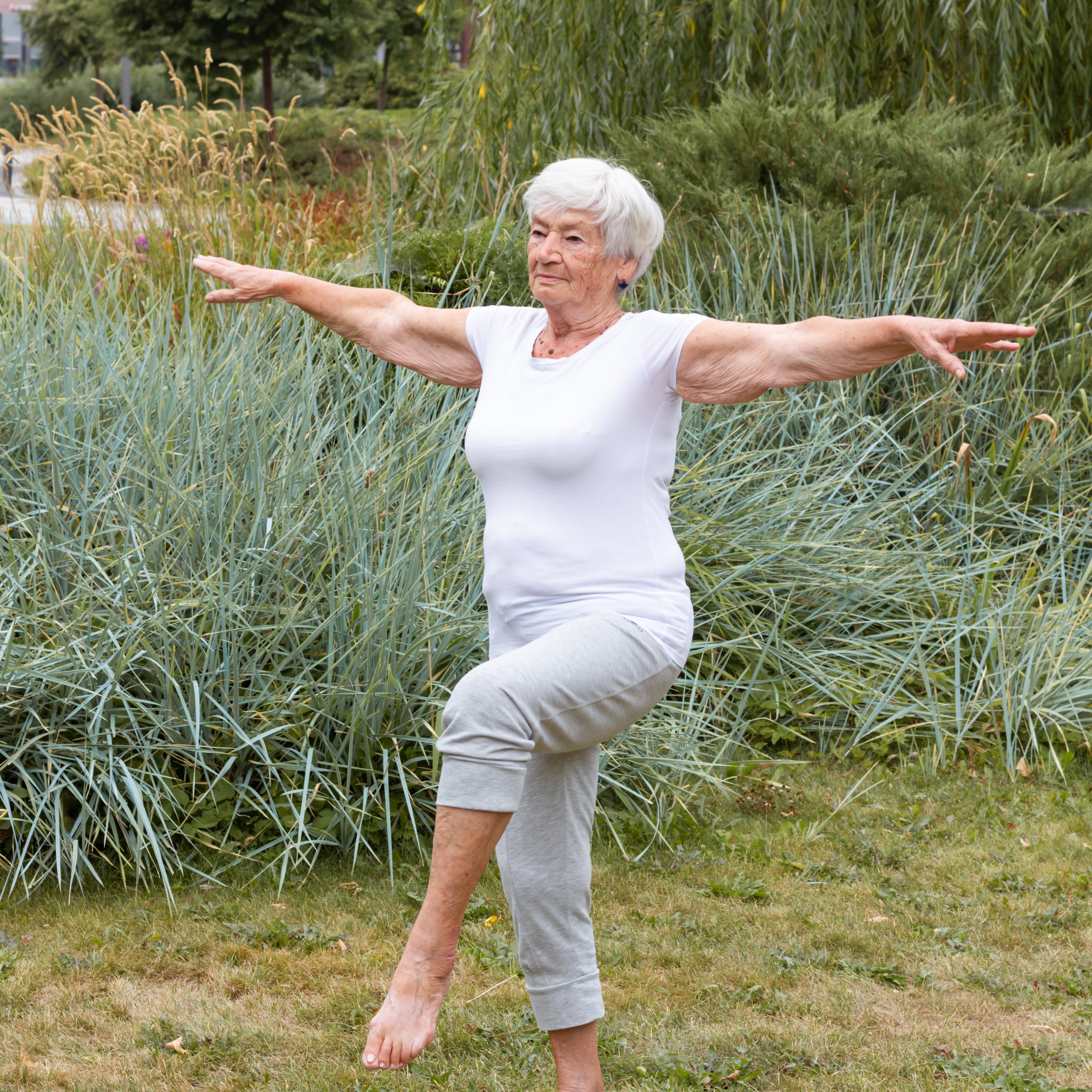
Balance Test
This test checks how well someone can hold progressively harder standing positions. No fancy equipment is needed, just a timer and a safe space.
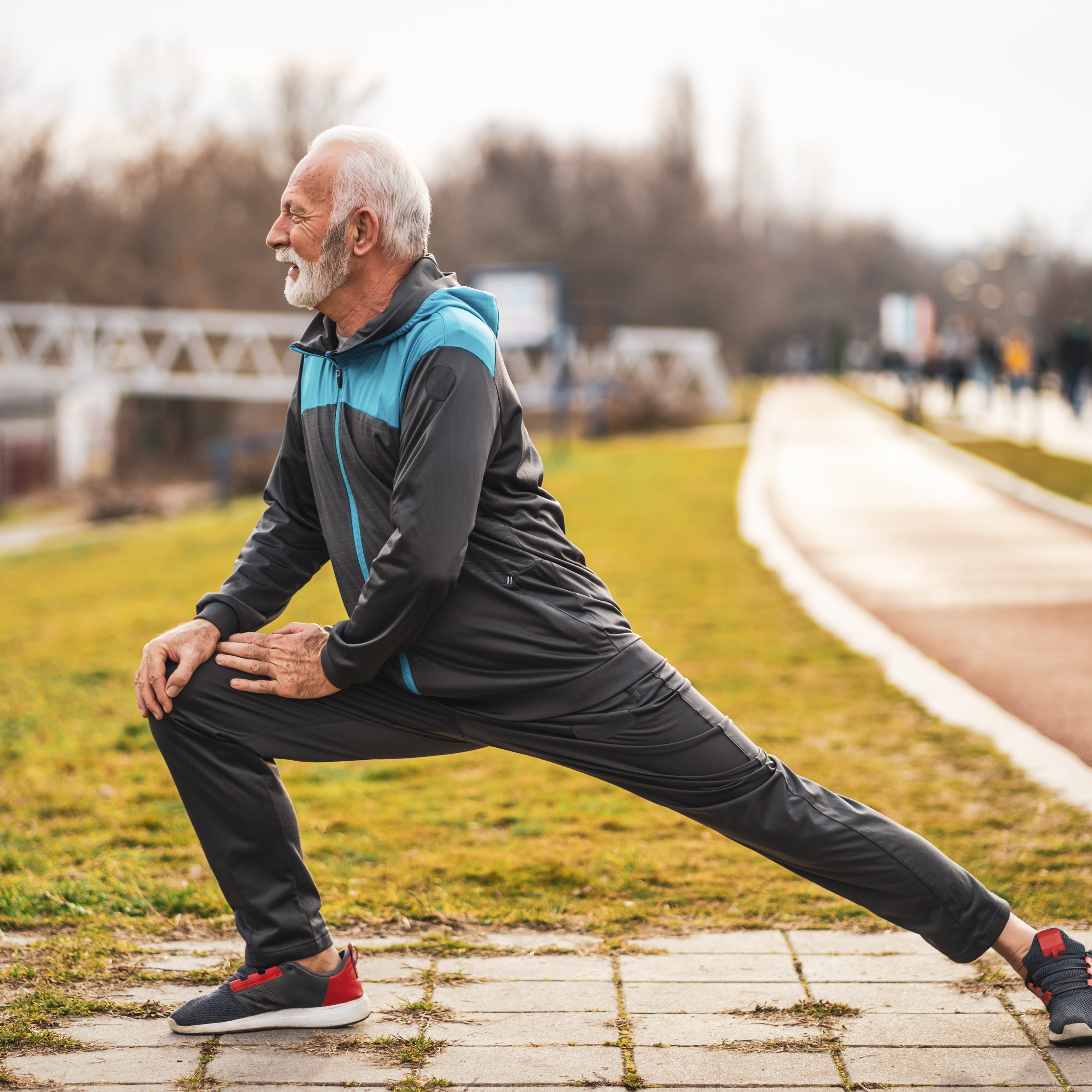
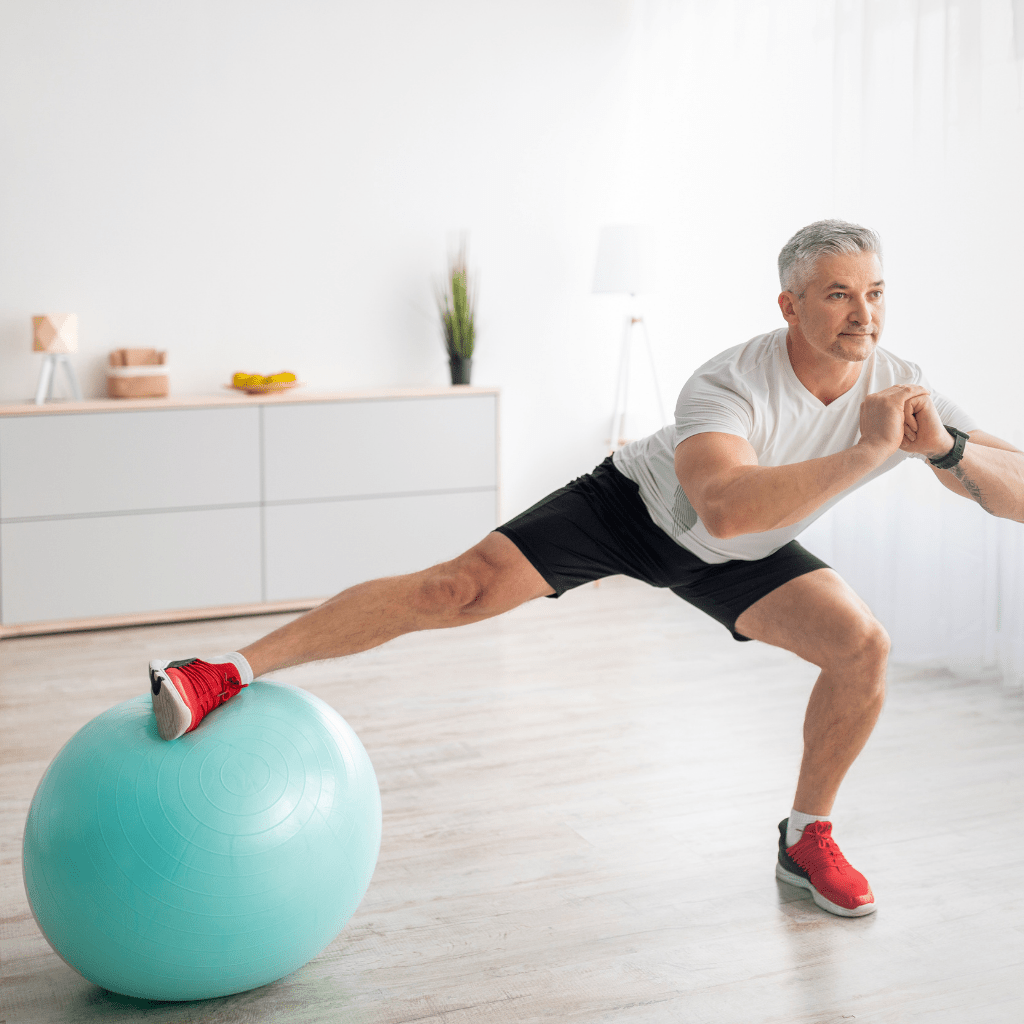
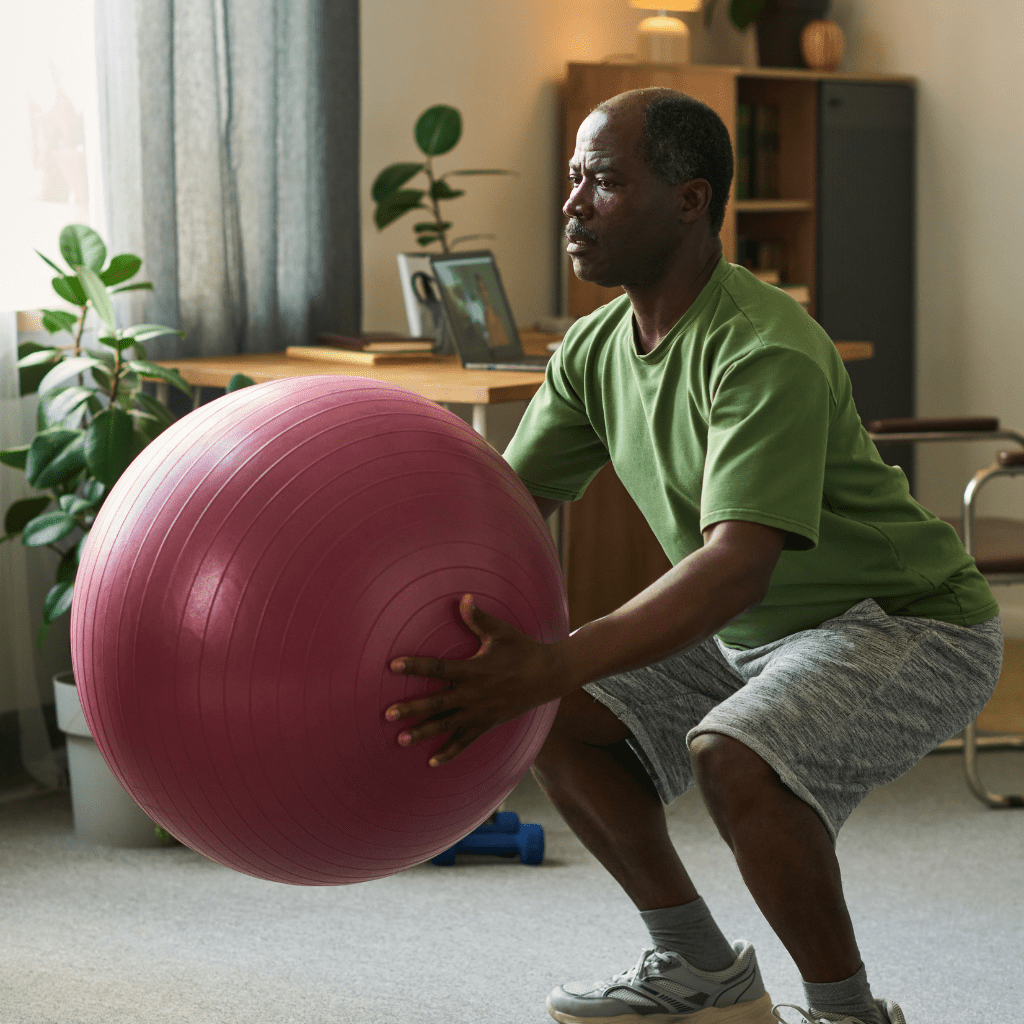
Core & Balance Exercises
By weaving this routine into weekly workouts, we’ll steadily strengthen our core, improve balance, and boost stability. This will make strength training and cardio easier to stick with while helping us stay mobile and independent.
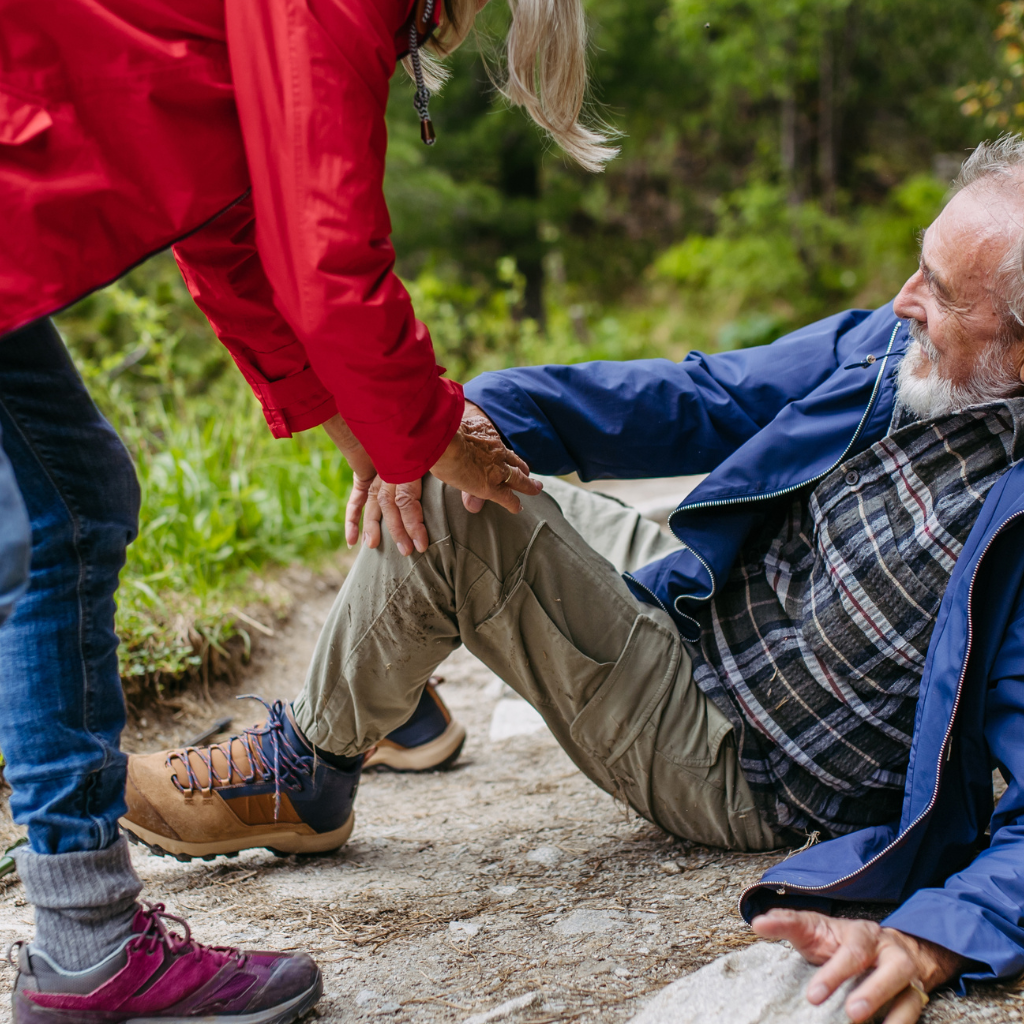
Fall Prevention Guide
Statistics show that falls are a significant health risk for adults over 65. Here's what we can do to avoid them.
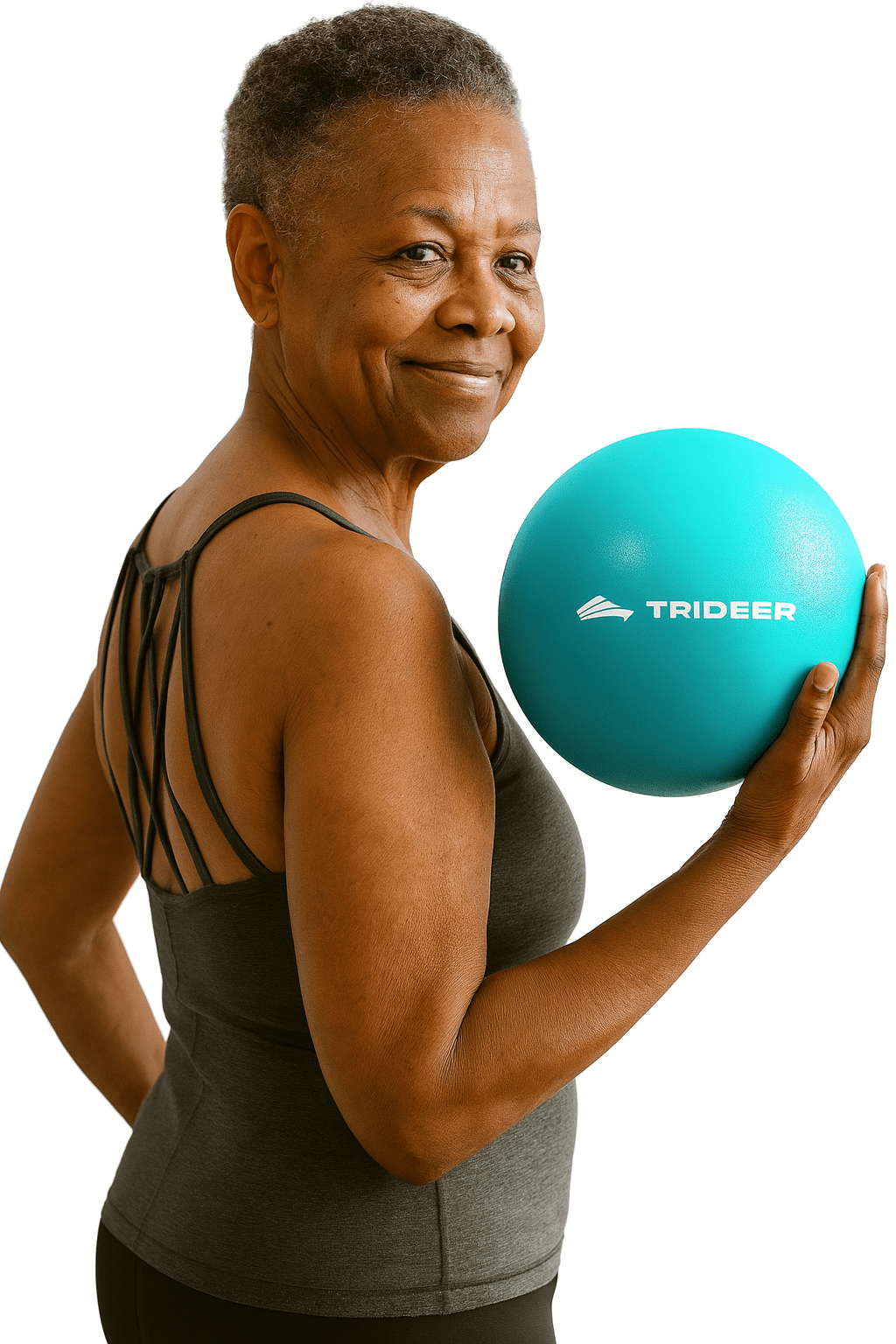
How balance connects to other pillars
- Balance improves strength performance.
- Strength stabilizes balance.
- Cardio builds endurance to stay upright longer.
- Mental wellness reduces fear of movement.
- Nutrition keeps us energized to avoid light-headedness and dizziness.
Balance gives us confidence to move boldly through the world.
Disclaimer: This page is for educational purposes only. Please consult your physician or health professional before making any changes to your health or diet plan.

