
Simple Nutrition Guidelines
We’ve cut through the noise of endless programs, articles, and opinions to bring you clear, research-backed nutrition guidance for everyday senior health. Follow these simple, practical steps below to stay strong, nourished, and well-hydrated for years to come.

STep 1
We don’t need a big ol’ regular plate to fill up. Using a nine-inch plate will help keep portions in check so we don’t have to think about it.
This is our favorite portion plate that already has the portions allocated for you but all you really need is a nine-inch plate that you will use to section your food into thirds.

Step 2
Using the guide on the left, divide your plate into thirds for carbs, vegetables, and protein. Use the food group guide below to fill each section of your plate with the optimal foods in each category.

Step 3 - Water
Drink lots of it, sip it all day. The research recommends approximately 64oz of fluids for women, and 85oz for men (in addition to any water in foods). So grab your favorite water bottle and drink up!
Food Group Guide
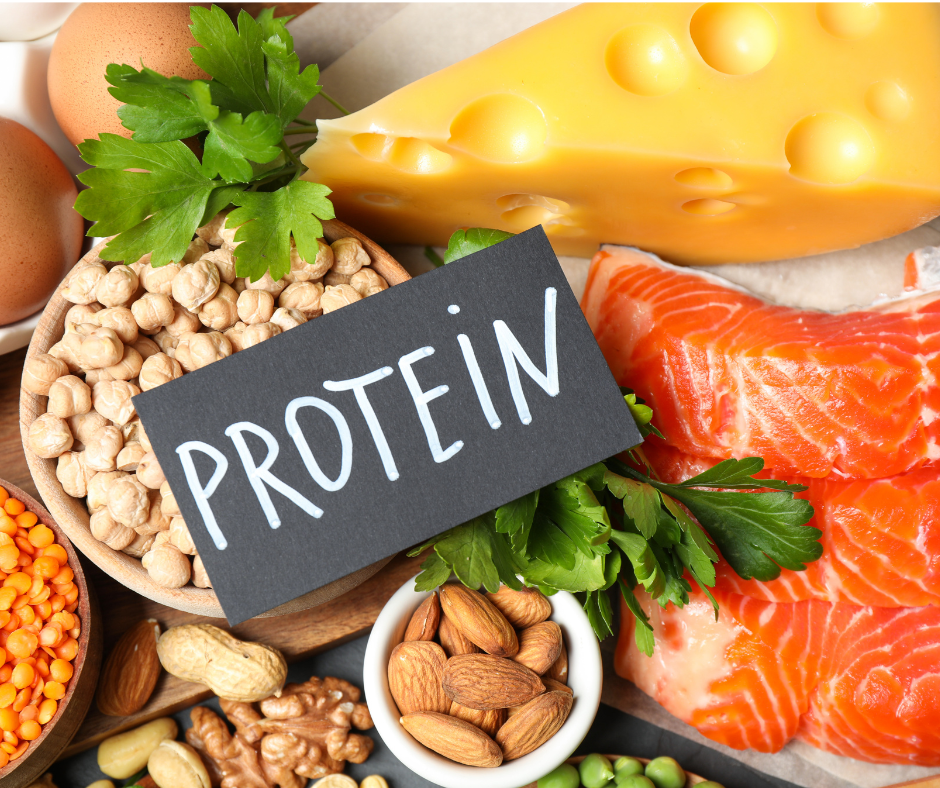
Proteins
Eggs; nuts such as almonds and walnuts; lean meats like chicken and turkey; fish including fatty fish like salmon and tuna; dairy including high protein milk, cheese, greek yogurt, and cottage cheese; lentils and beans.
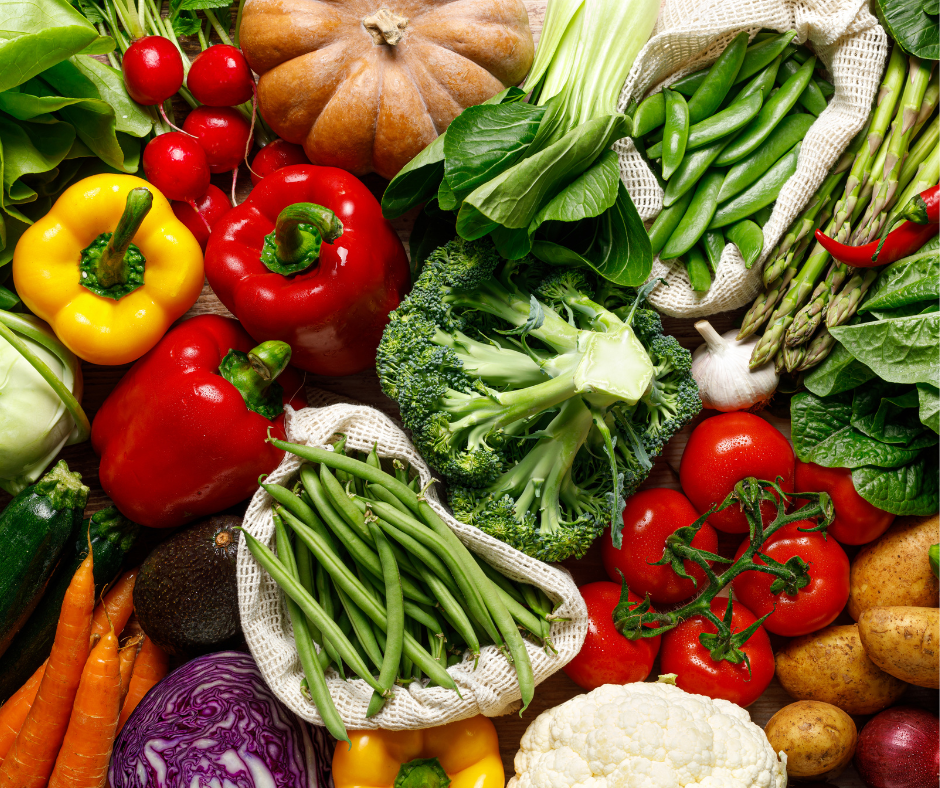
Vegetables
Eat A Rainbow: Green like kale, spinach and broccoli, Red like peppers, beets, and tomatoes, Orange and yellow like carrots, squash and sweet potatoes, Purple like cabbage and eggplant, etc.
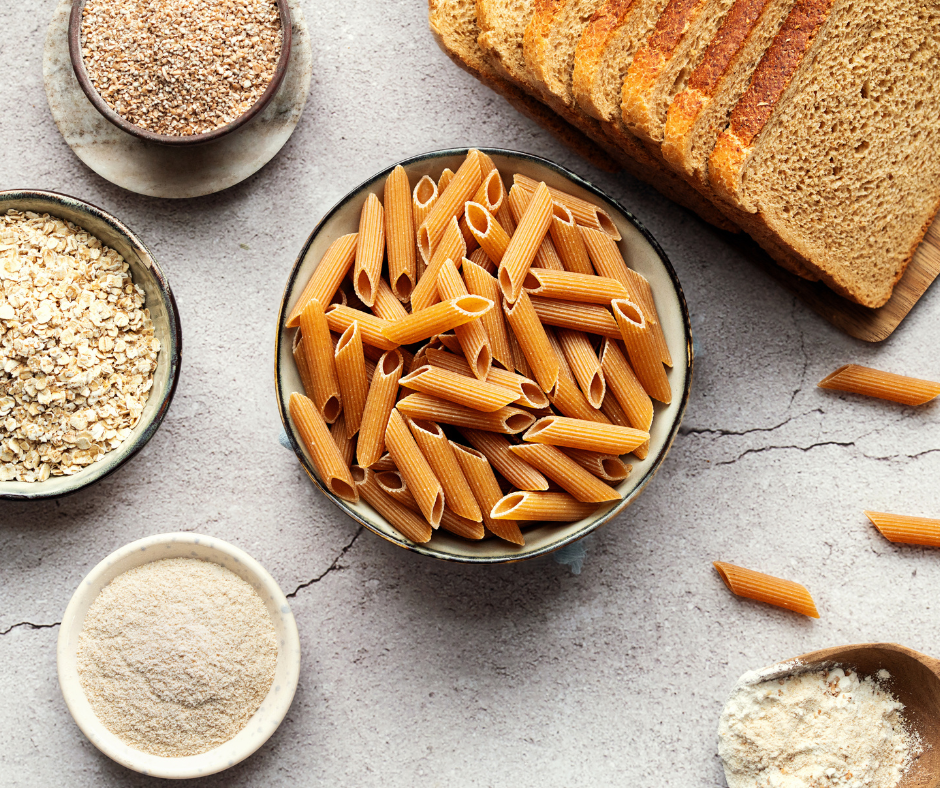
Whole Grain Carbohydrates
Whole wheat, rye, and sourdough breads, brown rice, quinoa, oats, whole wheat pasta, etc.
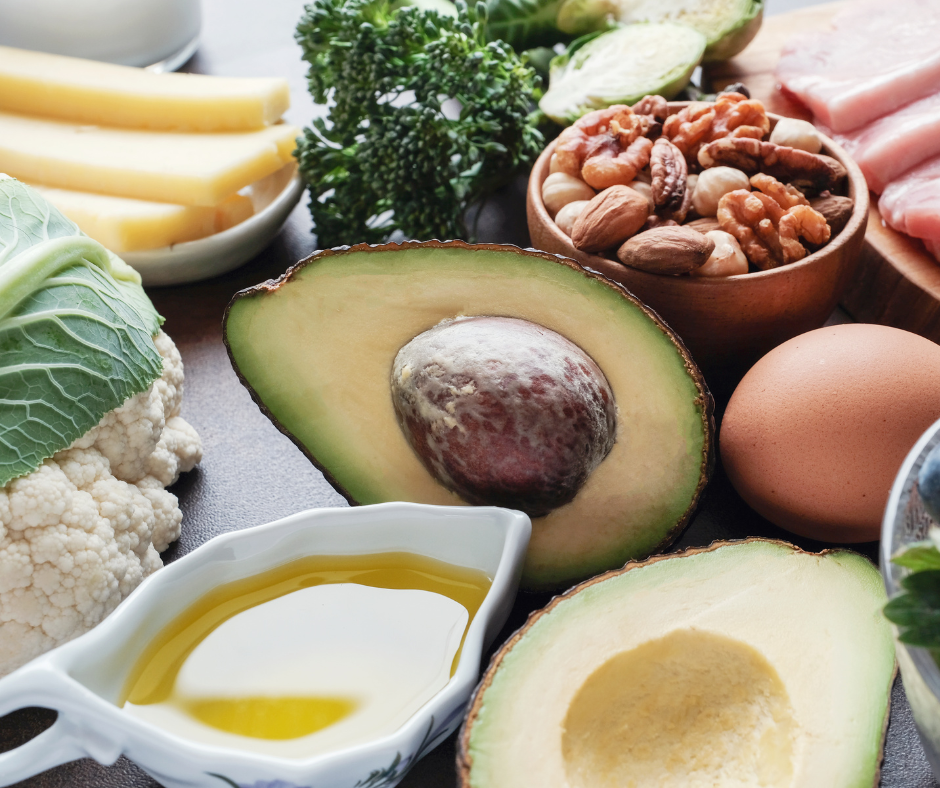
Healthy fats
(used in cooking, dressings, gravies, and sauces–best are low sugar and homemade; used as toppings; eaten as snacks)–olive oil, avocado oil, sesame oil; nut butters and real butter; also nuts, dark chocolate, and avocados. Fatty fish such as salmon and tuna contain healthy omega 3 fats. Remember these are all high in calories, so be careful how much you eat.
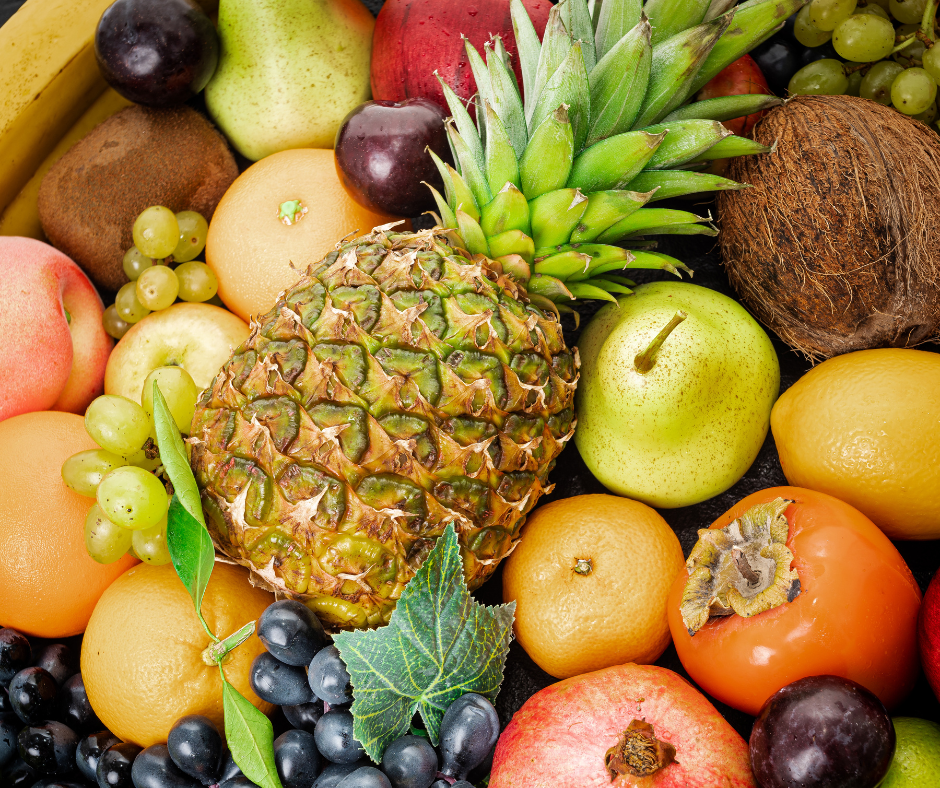
Fruits
(for dessert or snacks)--All whole fruits (NOT juice). Berries are the most nutritious, as are fresh picked fruits in season.

Foods to Avoid or Eat sparingly on special occasions
Chips, cakes, candy, cookies, packaged meals, processed, cured meats (i.e. bologna, sausage, bacon, salami, deli meats, etc. You can find natural, unprocessed versions of these in some stores), sugary sodas, excess alcohol, white bread and other things made with refined grains, deep fried foods, etc.
Basically, if it isn’t on our lists, it’s not good for your body.

Supplements?
There are thousands of supplements marketed for everything possible, and it is beyond our scope to make any sort of recommendations. Three of the most common supplements used by older adults in general are Vitamin D3, Omega 3 fish oil, and calcium. However, everyone has different needs and restrictions, so talk to your doctor, pharmacist, or a registered dietitian about your own supplement needs.

Bringing it all together
There is a lot of confusing information about nutrition and hydration out there but all you really need is a nine-inch plate and a 32 oz water bottle. Always follow your doctors advice first but using these simple steps everyday will give you a head start on your health.
Disclaimer:
This page is for educational purposes only, and should not be used as a substitute for professional guidance. Please consult your physician or health professional before making any changes to your health or diet plan.
