


Nutrition for Senior Health


There are literally thousands of articles from thousands of sites where we can find information about how to eat healthy. We’ve read so many things about foods it is overwhelming, and we end up trading one fad food for another, or we just ignore all the literature and eat Oreos and ice cream. We hate having to count calories or carbs or use too much brain power because it just makes eating ridiculously sad. So, we want to make it simple and still follow current research specifically for senior nutrition.
As we age, we tend to lose our appetite or taste for certain foods, and our triggers for thirst decrease (this was news to us!). Our protein requirements increase, because we’re losing muscle. That means we have to try a little harder to get good food in and stay hydrated. When we were caring for my dad, he would go on weird food obsessions, like only eating tuna and crackers for every meal, and only drinking Fresca. It was hard finding other things he wanted, until he would change and decide he only wanted smoothies, or chicken soup, or canned, sugary supplement drinks. Now I better understand what he was experiencing and wish I had a do-over with him. Here’s the nutrition plan I would have for him and for all of us:
General Guidelines
Water. Lots of it.
Keep a full drink bottle close, and sip it all day, even if thirst signals aren’t going off. If we’re worried about a leaky bladder, we can practice engaging the muscles from our pelvic floor to our belly button (zip up) every time we’re standing or waiting in line. We can wear a pad in our undies in the meantime. You gotta do what you gotta do. We know from experience.


Nine-Inch Plate
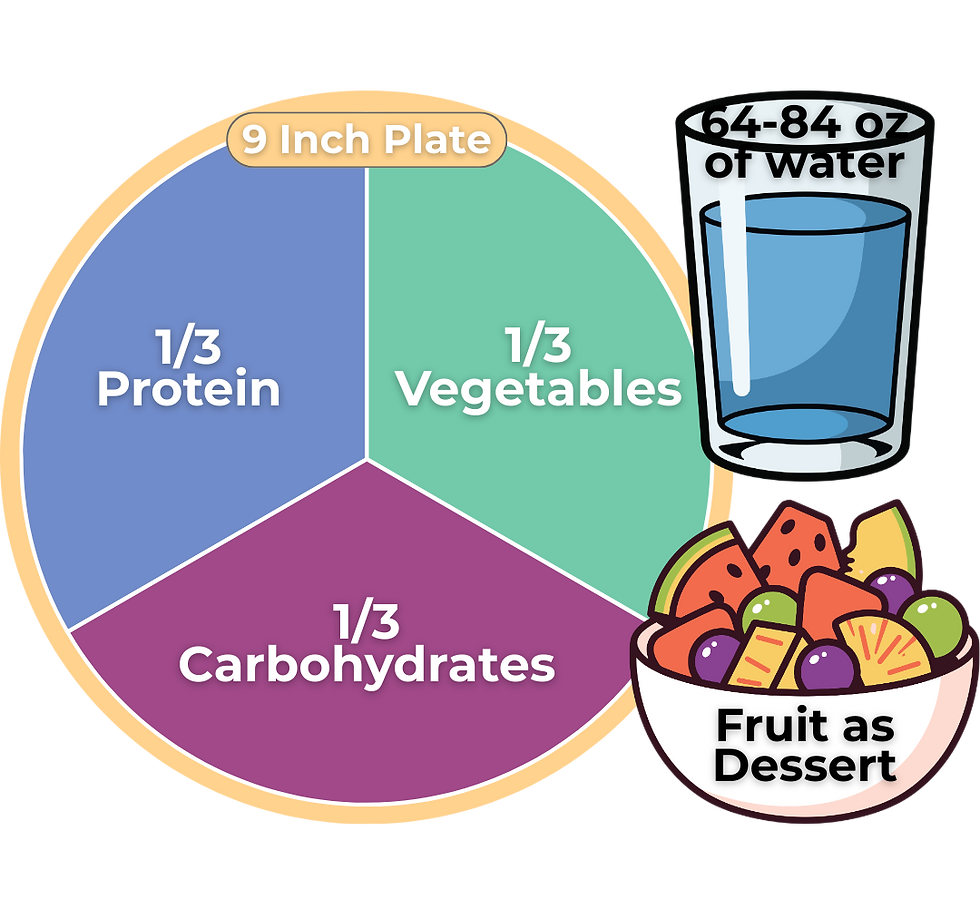
We don’t need a big ol’ regular plate to fill up. A nine-inch plate will help keep portions in check, so we don’t have to think about it.
Whole, Real Food
We will fill our plates (and bodies) with real food as much as possible, and that means not from boxes or packages that are processed and full of unhealthy chemicals. Which do we choose: A slice of cheddar and an apple or crackers from a box with squirts of canned, aerosol cheese? Hmmm.

What’s On Our Nine-Inch Plate?

Protein
One third of our plate has protein–make sure that third has a fat deck of cards-sized amount each meal so we get enough protein. Linked Here is a printable guide to help us choose the proteins we want to eat.
Vegetables
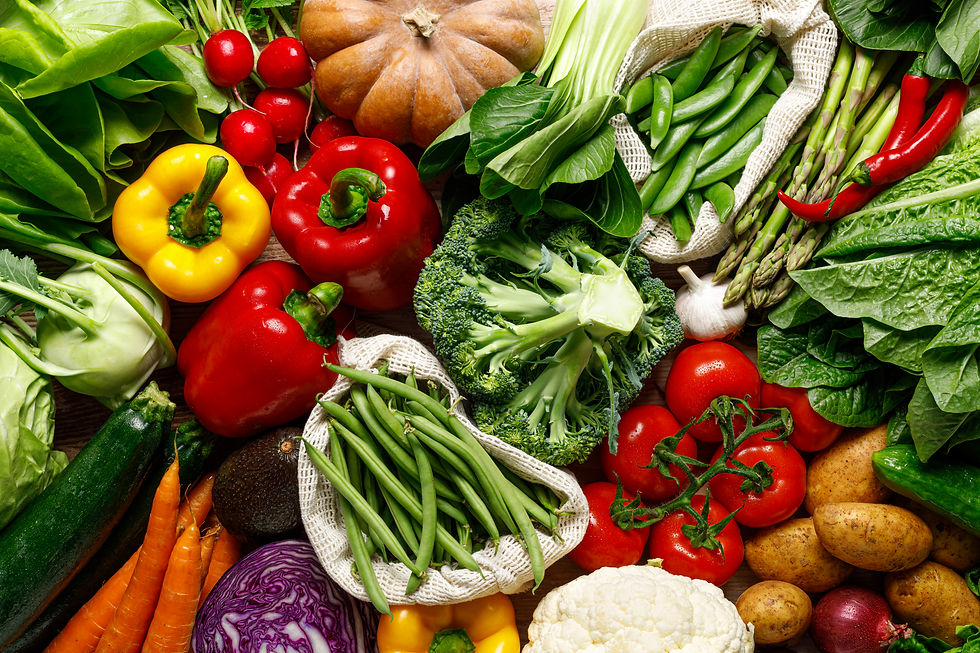
One third of our plate will contain a mound of vegetables–we need at least ½ cup of cooked or 1 cup of uncooked veggies here per meal. Many of us want to count french fries and ketchup as our veggies, but sorry, that doesn’t cut it. The best thing to do is to try and eat as many colors of vegetables as we can. Leafy greens, red tomatoes, yellow squash, purple cabbage, orange bell peppers, etc–you can see where we’re going with this.

Whole Grain, Starchy Carbohydrates
The last third of our plate will be carbs. This is the skinny third, i.e. we don’t need to completely fill it. And remember, not all carbs are created equally! We want carbs that have lots of whole grains and fiber, like quinoa, oats, brown rice, sweet potatoes, or 100% whole wheat bread or sourdough. A half cup of whole grains or 1 slice of the good bread will do for us.

Fats
Our bodies need healthy fats, and our proteins and dairy already have them. We can also use them in cooking, for snacks, and as toppings. Use healthy oils like olive, avocado, and coconut, and use real butter (don’t go overboard), nut butters, and regular nuts (just a handful).

Fruit
Where’s the fruit going to fit on our already full plate? Eat fruit for dessert and a snack during the day. This means whole fruit, that has fiber, and not juice. The fiber in a whole piece of fruit slows down our body’s insulin response to the fructose, so our blood sugar doesn’t go crazy. The biggest bang for our buck fruits are berries (blueberries, raspberries, etc.), but eating fresh fruit in season is also great.

Where’s My Treat?
This is special occasion food. Cookies, cake, doughnuts, candy, chips, chocolate bars–these do nothing for our health, and can actually impede healing and contribute to ill health. But…if we must have a treat, and we would be lying if we said we never have one, make it a really delicious, good quality treat. Not something we mindlessly shove in our mouths. It’s also good to eat the treat with a meal, or with a protein or whole grain carb, so our blood sugar doesn’t spike. Junk food cannot be a part of our daily nutrition plan, cuz aint no nutrition there.
Extra Considerations:
What do I eat for snacks? First of all, limit snacks to one or two per day as a guideline. Secondly, the snacks need to include protein, like boiled eggs, cheese sticks, or a cup of high protein milk. Add a piece of fruit, and we’re good!
What about combined meals, like soups, dinner salads, or casseroles? The key here is to prioritize protein and vegetables when we choose these kinds of meals. For example, a beef minestrone soup, a spinach salad with salmon, or a broccoli chicken casserole. Here’s a favorite meal salad of ours: Beans, Greens, Nuts, and Seeds salad.
What if I want other drinks? Coffee, tea, diet soda, protein milk, etc. are all fine if we remember two things: One, that water has to be our number one go to. And two, we have to think carefully about what we add to our drinks (cream, sugar, etc.). We can always put lemon, lime, or other fruit into our water to add flavor.
What if I go out to eat or to someone’s home? We can always find protein, veggies, and good carbs on menus–just try to order something that has good nutritional value. At someone’s home, we have to eat as healthily as we can with what we’re offered.
Why Our Plate Looks Different Than MyPlate? (and Why It's a Good Thing)
Most official nutrition graphics—like MyPlate—are designed for the general population. But older adults have very different nutritional needs. Research shows that as we age, we lose muscle more quickly, our appetite and thirst cues weaken, and our bodies don’t respond to protein as efficiently as they used to. Because of this, geriatric nutrition experts recommend higher protein intake and more intentional blood‑sugar management than the standard MyPlate model reflects.
That’s why our Ageless Conversations plate uses a simple “thirds” approach: 1/3 protein, 1/3 vegetables, 1/3 whole‑grain carbohydrates, with fruit eaten alongside protein or at the end of a meal. This isn’t a rejection of MyPlate — it’s a senior‑specific adaptation based on what the science says older adults need to stay strong, steady, and independent.
Relevant Research Supporting This Approach These are excellent, credible sources you can safely link to:
Higher protein needs for older adults (1.0–1.2 g/kg/day recommended):
Protein intake below the RDA accelerates muscle loss in seniors:
Journals of Gerontology review on dietary protein and muscle health
Older adults require more protein per meal to stimulate muscle maintenance:
Today’s Dietitian review of protein requirements for seniors
Thirst sensation decreases with age:
National Institute on Aging — Dehydration in Older Adults
Blood sugar management improves when fruit is paired with protein or eaten after meals:
American Diabetes Association — Glycemic response and meal composition
Disclaimer: This guide is based on current research about nutrition for healthy older adults. Everyone’s medical needs are different, so if you have diabetes, kidney disease, digestive issues, or other health conditions, check with your healthcare provider or a registered dietitian to personalize your plan.


Comments