


Cardio Isn’t Optional After 60—It’s Essential
Updated: Jun 2

'If physical activity were a drug, we’d talk about it as a miracle cure.'
What is Aerobic Exercise?
When I hear the word aerobics, my mind conjures up an image of Jane Fonda in a leotard and leg warmers. I had her exercise videos back in the olden times. Now that I’ve put that picture in your head, you must erase it, because aerobic exercise is much broader than 1980’s routines. Aerobic physical activity is anything that moves the body’s large muscles for extended periods of time. This activity requires the lungs to move more air and the heart to pump more blood and deliver it to the working muscles. Aerobic physical activity increases your breathing and heart rate. Think of activities like a brisk walk, shoveling snow, dancing, or playing pickleball.
Why is Aerobic Exercise so Important for Seniors (and Everyone Else)?
We, in the 21st century are not chasing prey with a spear or hauling water from the river or sweating heavily from any sort of labor just to survive from day to day. While I’m not complaining about that in any way, our lifestyles don’t lend themselves to aerobic health. Besides, if a saber-toothed tiger was chasing me, I’d probably be so terrified I’d just lie down and welcome death.
So, we have to find ways to add aerobic activity every day because the health benefits are quite amazing! Below, I’ve listed what studies say are the most important benefits:
Heart Health: Think of it like giving your heart a good workout. Aerobic exercise makes your heart stronger and helps your blood vessels work better. This can really lower your chances of heart disease and high blood pressure.
Easier Breathing: You'll find it easier to catch your breath and just generally have more stamina for your daily activities because your lungs will be working better.
Weight Management: Aerobic exercise helps burn calories and fat, boosts your metabolism, and gives you more energy, which is great for managing weight.
Happy Mind, Less Stress: Ever notice how good you feel after a walk or a bit of exercise? Exercise causes your body to release "happy hormones" called endorphins, which can really lift your mood and reduce stress. Endorphins also act as pain relievers (I did not know this!).
More Stamina and Strength: You'll feel stronger and have more endurance, making everyday tasks feel a lot less tiring. And if you can outlast your adult kids on a hike, well, they might be motivated to move more. I will not admit to any smugness.
Sleep Like a Baby: If you struggle with sleep, regular aerobic exercise can help you get better quality rest. Seems like everybody needs this.
Immune System Boost: Imagine your immune system in a superhero cape, because regular exercise can help you fight off illnesses and stay healthier overall.
Sharper Brain: Aerobic exercise can improve your memory, boost your thinking skills, and help keep your brain feeling young. I sat by an old acquaintance at an appointment and remembered her name at a crucial moment. Perhaps my aerobic movement saved me from an awkward encounter. I’m awkward enough already without brain farts.
Blood Pressure Helper: If you're dealing with high blood pressure, this kind of exercise can really help keep it in check.
Blood Sugar Control: It also helps regulate your insulin levels and keeps your blood sugar balanced, which can prevent or help with so many chronic diseases.
Cool tip for the Cool and Hip (Also for the Uncool and Hip-replaced): Combining different types of exercise, like strength training with aerobic exercise, gives you even more benefits. Plus, mixing things up keeps it fun and helps prevent injuries. It's also fantastic for your balance and flexibility, which are vital for preventing falls. I could talk about preventing falls all day, because falls are the worst for seniors! Think death-level worst. I’m not afraid to say it.
How Do You Know When You're Exercising Hard Enough?
When you’re being physically active, try talking. If you are breathing hard but can still talk easily, it’s likely moderate intensity. If you can only say a few words before you have to take a breath, that’s vigorous intensity. Start slow and build up to more vigorous exercising as you are able. The World Health Organization suggests that older adults aim for at least 150 minutes of moderate aerobic exercise or 75 minutes of vigorous aerobic exercise each week. But honestly, even just a little bit of physical activity, like standing more, can make a difference!
Safety tips
Listen to your body. Aerobic activities should not make you dizzy, have chest pain or pressure, or experience nausea.
Do a little light activity, such as easy walking, before and after your aerobic activities to warm up and cool down.
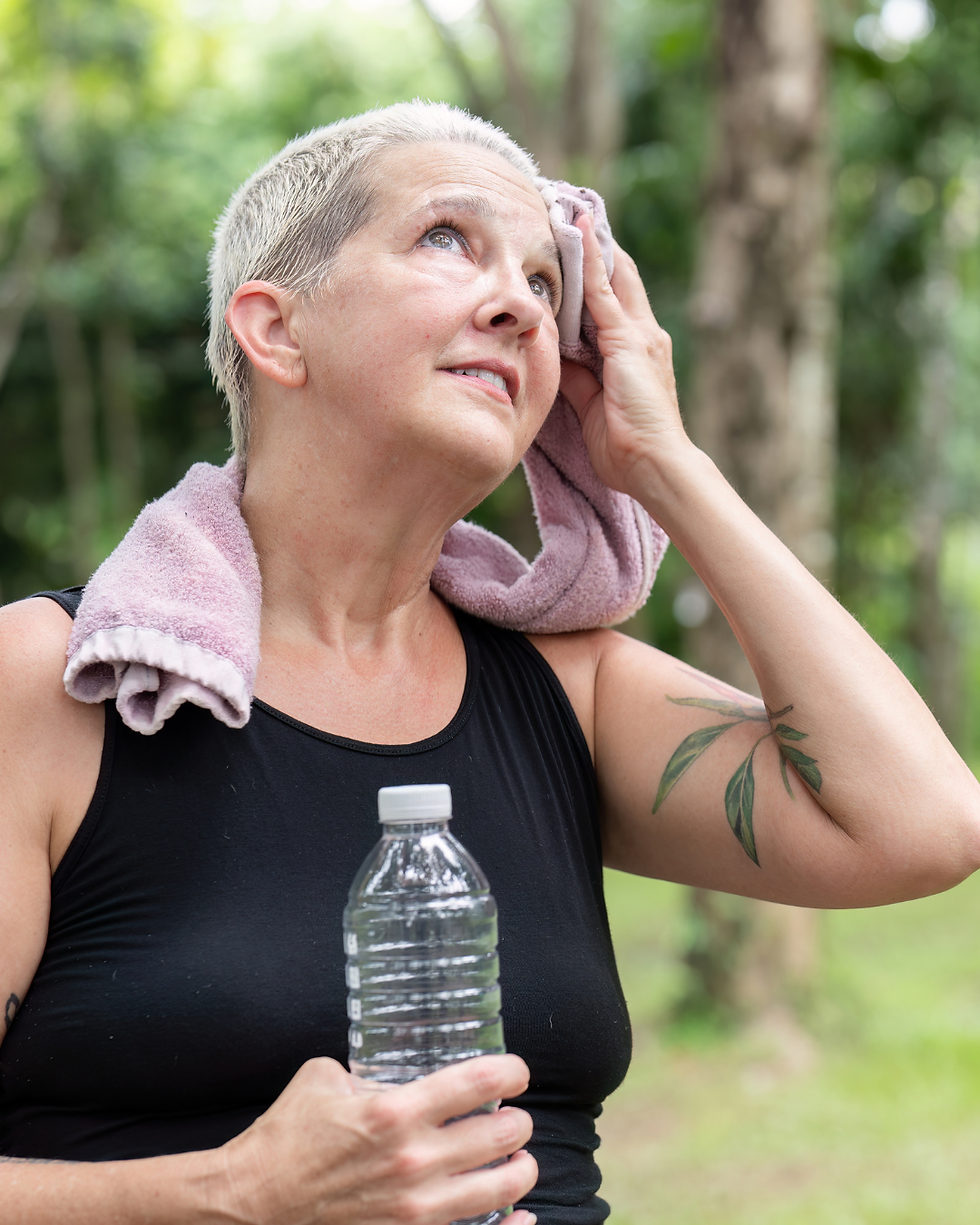
Be sure to drink water when doing anything that makes you sweat. If your doctor has told you to limit your fluids, be sure to check before increasing the amount you drink while exercising.
If you are going to be exercising outside, be aware of the weather and your surroundings.
To prevent injuries, use safety equipment, like a helmet when bicycling, and good exercise shoes and clothes.
Talk with your doctor if you are unsure about doing any activity.


Comments