


Top Three Things That Helped My Healing and Recovery (so far) Spinal cord injury and rehabilitation
Anyone of any age can find themself in the position of needing to recover from some type of health incident. It might be a complication from chronic illness, the illness itself, the results of unwise behavior, a random accident, or caused by the negligence of someone else. We all know that just like Mean Girl Regina George, we could walk outside and get hit by a bus on any given day. And if we’re as lucky as Regina and survive the hit, we’ll spend a fair bit of time recovering. Everyone’s healing process is affected by different factors and circumstances, so I’m just sharing the three most important things in my own recent recovery journey.
My Top Three Helps
A Support System. My number one item is a thing some people have no control over. No family, far away from family, no close friends, limited local resources–these are all things that might leave a person without help during illness or injury. It is something, especially as we age, that we should consider nurturing. We have to try and grow community, so we can all help each other. If there are no friends or family, we need to make ourselves aware of what resources are available to us, often facilitated by hospital social workers. It's a hard and sad thing to have no support system, and I wish we and our society had more answers. I am lucky enough to have a great family to care for and advocate for me, and they have been with me every minute. I also have a neighborhood full of service minded people who have come out of the woodwork and given everything from visits and meals to handrails in my garage. Some of these good folks are barely known by me, yet I have learned to graciously accept help, no matter how hard that is (I might have received a lecture on accepting help by well-meaning nosy bodies). I am so grateful for the wonderful support people who have showered me with so much love and care. I do not have adequate words to express it.

A Positive Mindset. When you’re in the hospital and in a lot of pain it is hard to be positive. Add in worries about your health outcomes, expenses, jobs, family, etc, and it’s hard to be anything but an anxious ball of feral crankiness (speaking of myself, the anxious ball of feral crankiness, may you never meet her). I had to have a really serious talk with myself about what I needed to do to get through this and not have my keepers/caregivers sell me for spare parts. I decided to completely narrow my focus to what I could think about, control, or do on the specific day I was in. Anything else that tried to creep into my brain was told that “that is a thought for another day.” I even said it out loud a few times. I made goals for each day and tried to do them. Early on my goals were things like “take the walker down the hall two times, eat protein, poop,” etc. Then I would celebrate myself and have happy thoughts about my progress. One day my mother-in-law called when I was supposed to do my second walk. I erased the walk, penciled in “talk to mother-in-law” and checked it off. Woohoo! Did I succeed in positivity all the time? No, I did not. I have witnesses. But my new mindset really really helped.

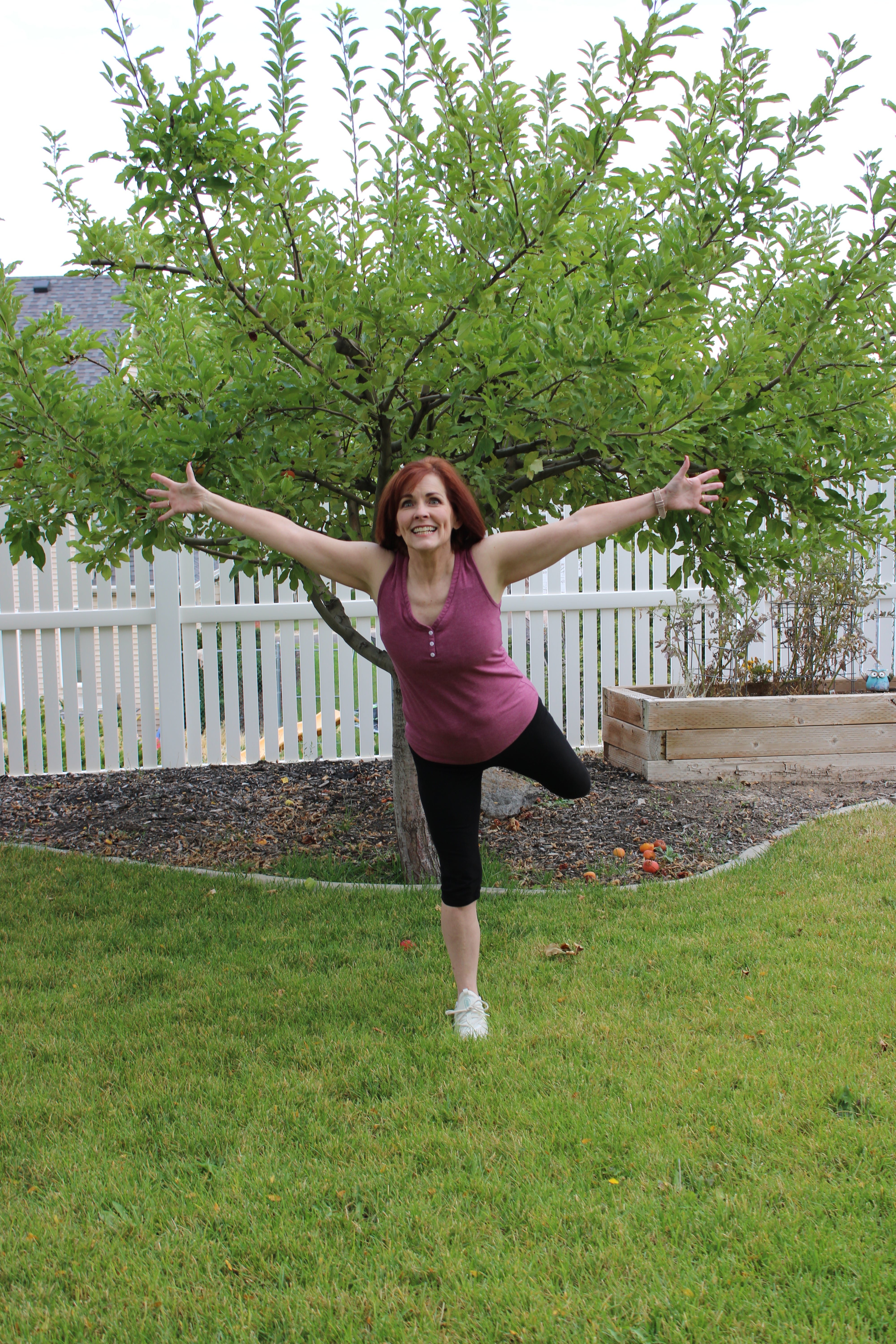
A Healthy Lifestyle. Prior to my injury I was working hard to be the poster girl for thriving seniors. I was exercising (weights and cardio), trying to eat healthy and get enough protein, working on my mental and emotional state (meditation, yoga, community, therapy, etc), and trying to be more positive (striving to change my attitude of “expect the worst and be pleasantly surprised if you get something better”). The thing I kept hearing from my care providers was that being healthy and in such good shape was directly related to the speed of my rehabilitation. That made me feel super cool and validated, but it is also backed up by research from organizations like the NIH

Other thoughts
I have not mentioned two other critically important things: Access to good healthcare and Health Insurance. These two things could have volumes written about them and how our society has failed to provide them to so many who lack them by no fault of their own (more than 70% of those in need). In my own case, I have insurance through my husband. My two part time jobs do not provide insurance, even though my work is as time consuming and valuable as his. So am I saying you should marry for health insurance? No! Yes? Maybe. At any rate, get a job with insurance if you possibly can. And in the meantime, let’s advocate for changes that show we truly care about our fellow humans.
Resources Available for Seniors
Navigating recovery or rehabilitation is challenging enough—but for seniors with limited income or little support, the journey can feel overwhelming. This section of our blog is dedicated to connecting older adults and their families with real, accessible resources that make healing safer, more affordable, and more supported.

Medicare Provider Directory
Medicare’s healthcare provider directory can help you find a Medicare provider for various health needs.

Caring Senior Home Services
Offers light housekeeping, meal preparation, medication reminders, transportation, and more.

10 Resources for Low Income Seniors
Click the link below to explore resources and programs designed to help seniors with low income.


Comments