


Cognitive Health in Older Adults
- Leslee Preece
- Jun 1
- 4 min read

Life strains my brain. As we get older, we face changes in nearly every nook and cranny of life, and adapting to them takes real effort. We have work to do to support our cognitive health, but it is so worth it! We have to keep learning, stretching, and growing so we avoid the fate of becoming stagnant like an old, moldy shoe. It’s not easy, especially if medications or health conditions bring on brain fog or what I lovingly call “the dumbs.”
I’ll share what I’ve learned and what I try to do so my brain doesn’t turn into a lumpy bowl of mush. Then I’ll explain the science behind it. But first…
What Is Cognitive Health?
Cognitive health includes our ability to think clearly, make decisions, remember things, and learn new information. It also refers to the brain’s overall functioning. While these abilities naturally shift with age, there is so much we can do to support and protect them.
How I Stay Mentally Sharp
Physical Exercise
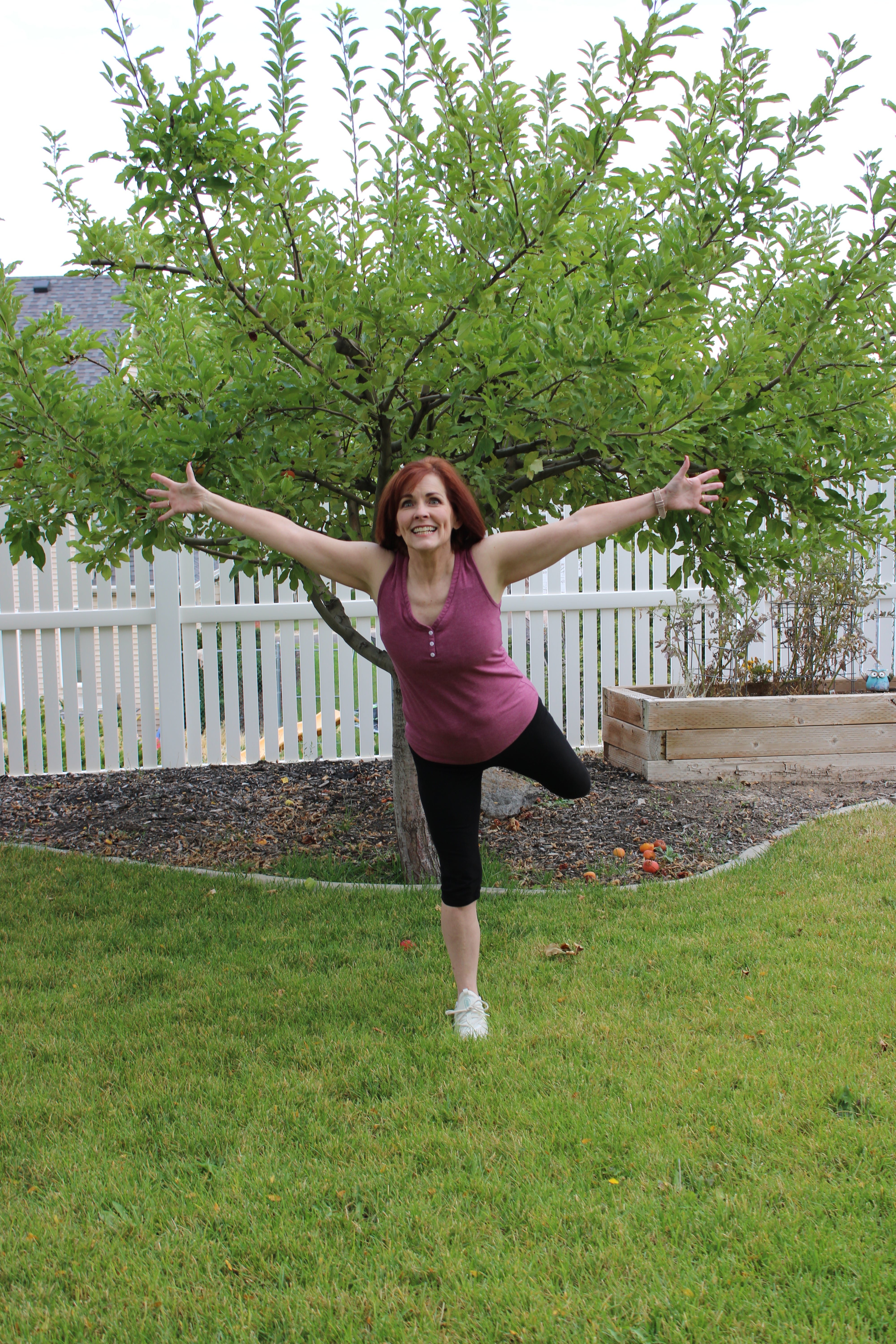
This is my number one thing. Even on days when fatigue has me lying on the floor questioning my will to move a single pinky, I try to get my body going (moving my arms and legs while on the floor in the dead bug pose is still moving). I usually walk, lift weights, work on balance and core strength, or do physical therapy. When I exercise outside, I feel doubly good because of fresh air, sunshine, and lots of sensory stimulation. Triple goodness happens when we exercise outside with other people!
Why is exercise at the top of my list? Because research shows it:
Enhances memory
Lowers the chance of dementia
Stimulates new brain cell growth
Improves blood flow to the brain
Produces BDNF — a chemical that supports brain health
Those benefits make me want to get moving, pinky and all.


Eating Healthy
Since the gut is often called our “second brain,” what I put in the old food box matters. For me, that means:
A rainbow of vegetables
Lean proteins Healthy fats
Whole‑grain, starchy carbs
Science backs this up:
Whole‑food diets reduce the risk of cognitive decline and dementia
Fiber and probiotics support gut microbes, which influence brain health
Real, unprocessed foods may help protect against Alzheimer’s and Parkinson’s
Healthy diets reduce cardiovascular disease and diabetes — both linked to dementia risk
Meditation
I try to meditate for ten minutes a day to still my mind, set intentions, and quiet the crazed lunatic who likes to live rent‑free in my brain.
Experts say:
Meditation trains attention, improves memory, and reduces age‑related cognitive decline
Just two weeks of mindfulness can improve working memory
Guided meditations and breathing exercises reduce stress‑related memory disruptions
Starting with 10 minutes a day supports long‑term brain health


Reading — All Kinds
I read research, science‑based materials, self‑improvement books, history, and lots of fiction (especially magical realism). I check current events only once or twice a week so I stay informed without becoming catatonic with anxiety.
Research shows reading:
Engages the brain in complex tasks
Strengthens memory, attention, and problem‑solving
Reduces the likelihood of cognitive decline
Discussions
I’m lucky to live with two people who love a good discussion. Sharing ideas keeps the thinker sharp and opens the mind to new perspectives. A book club works beautifully for this too.
Research confirms that social interaction and discussion stimulate intellectual growth and support cognitive health.


Games and Puzzles
I keep a variety of games and puzzles on my phone for waiting rooms and downtime. I rotate between logic, words, numbers, and comprehension. I also love to play board and card games with my hilarious and slightly off-color family.
A few friendly reminders:
Use free versions
Avoid in‑app purchases
And when playing with others,
remember: it’s just a game. No need to destroy everyone to become queen of the world. Also, don’t cheat — even if you think you’re hilarious — because your son‑in‑law might not agree.
Science says:
Logic puzzles support reasoning and memory
Word puzzles delay memory decline related to dementia
A variety of games supports overall cognitive health
Playing with others adds the bonus of social interaction
A quick warning: Online games are often marketed as the only way to stay sharp. They’re not. Use them sparingly and don’t let them replace real‑life activities.
Playing an Instrument
I play the piano and challenge myself with harder pieces. I also compose music and write lyrics — activities that bring joy and brain stimulation. Sometimes I make up songs on the fly and sing them to whoever is around. These masterpieces are vastly under-appreciated by my audience, but I’m sure the activity sharpens my brain.
Research shows:
Learning an instrument challenges memory, coordination, and auditory processing
Music engages multiple brain regions at once
Older adults who practice music show higher verbal fluency and cognitive flexibility
Even basic finger patterns improve fine motor skills and working memory
Take a group class or try an online tutorial — piano, guitar, flute, whatever floats your boat.

Other Research‑Backed Brain Boosters
Learning a new language — memory, attention, problem‑solving
Creating art — spatial memory, coordination, emotional regulation
Purposeful gardening — sequencing, memory, cognitive function
Trying new recipes — executive function, recall
Creative writing — imagination, verbal recall, processing
Dancing — coordination, recall, brain plasticity
Conclusion
That’s a lot of info to take in, I know. Hopefully we’re already doing some of these activities, and we can add one or two more that spark our interest. If starting from scratch, begin with just one new thing. When we notice a bit of improvement, it will motivate us to add more.
Take it slow, avoid overwhelm, and keep going. That old brain will say “thank you!”
Research
Disclaimer: The information on this site is for educational purposes only and is not intended as medical advice. Always consult a qualified healthcare provider before making changes to your health routine.


Comments